
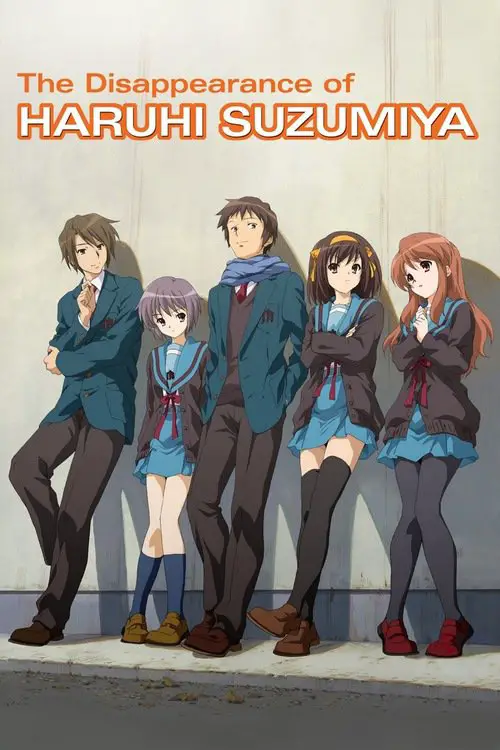
It is mid-december, and SOS Brigade chief Haruhi Suzumiya announces that the Brigade is going to hold a Christmas party in their clubroom, with Japanese hotpot for dinner. The brigade members Kyon, Yuki Nagato, Mikuru Asahina and Itsuki Koizumi start preparing everything for the party, such as costumes and decorations. But a couple of days later, Kyon arrives at school only to find that Haruhi is missing. Not only that, but Mikuru claims she has never known Kyon before, Koizumi is also missing, and Yuki has become the sole member of the literature club. The SOS Brigade seems to have never existed, nor has Haruhi Suzumiya. No one in the school has ever heard about her⦠except for Kyon.



Mads moves into a house with his lovely girlfriend Marie when a sudden pang of doubt strikes him. Is this the meaning of life? Has he lived out all his dreams? He drops everything, moves away from his girlfriend and throws himself into a desperate quest to live out his greatest dreams; a quest to find the meaning of life and the one and only.
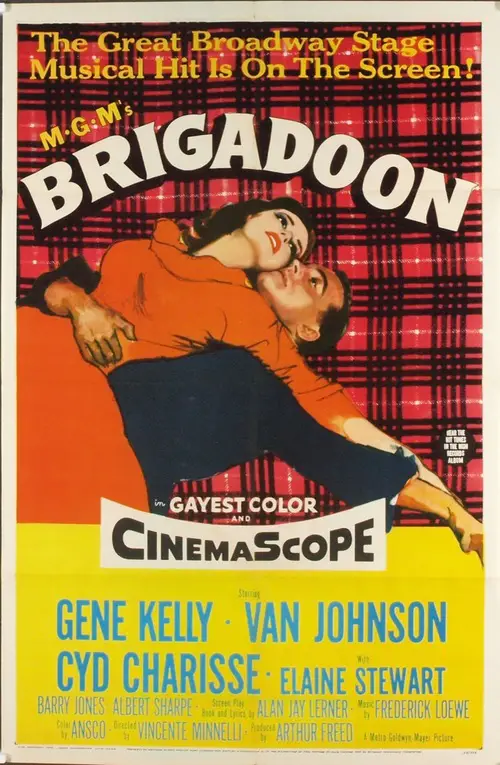
Americans Jeff and Tommy, hunting in Scotland, stumble upon a village - Brigadoon. They soon learn that the town appears once every 100 years in order to preserve its peace and special beauty. The citizens go to bed at night and when they wake up, it's 100 years later. Tommy falls in love with a beautiful young woman, Fiona, and is torn between staying or going back to his hectic life in New York.
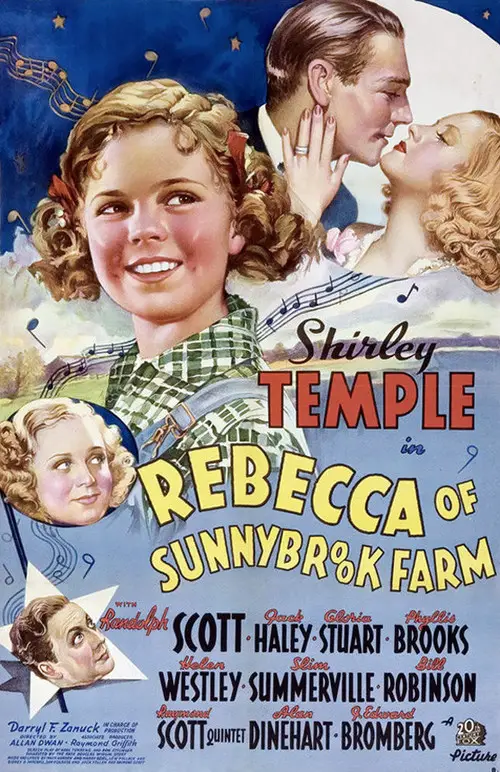
Rebecca's Uncle Harry leaves her with Aunt Miranda who forbids her to associate with show people. But neighbor Anthony Kent is a talent scout who secretly set it up for her to broadcast.
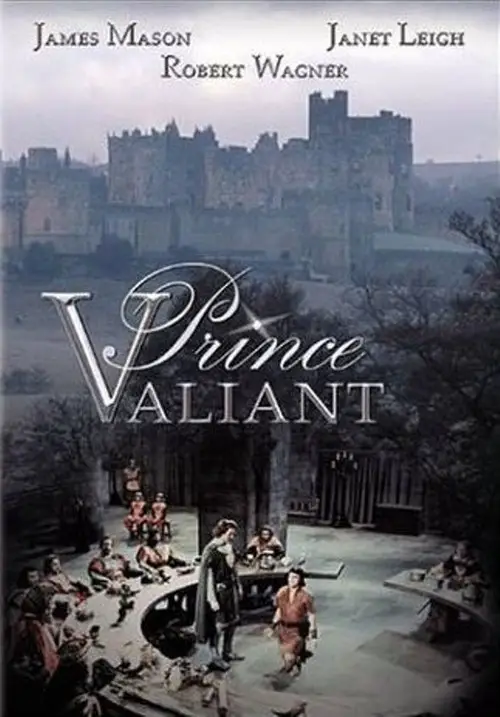
A young Viking prince strives to become a knight in King Arthur"s Court and restore his exiled father to his rightful throne.
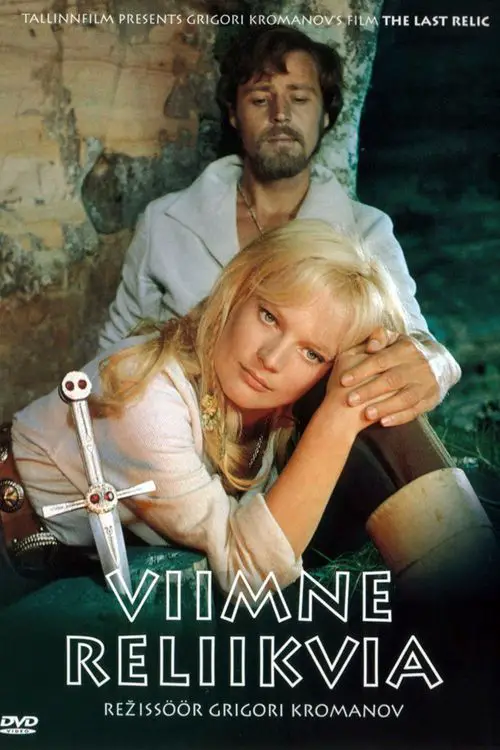
A medieval love story with lots of adventures. The times are troubled - there's a revolt of peasants going on. To secure its safety a monastery chases for a relics of a holy Brigitte. A nobleman promises to get it if he gets beautiful Agnes as a reward. But she fells in love with a handsome adventurer. The monastery has to act shrewd now and play double game. The movie is still the best achievement of the Estonian cinema. Based on a novel.

Former high school classmates, now adults, hold jealous thoughts, hidden intentions and lust for revenge. Graduates from a high school have held reunions since they graduated 10 years ago. The high school itself is located 2 hours from Tokyo by train and past reunions were held by different teams for different areas. An upcoming reunion is the first time where everyone will gather again.
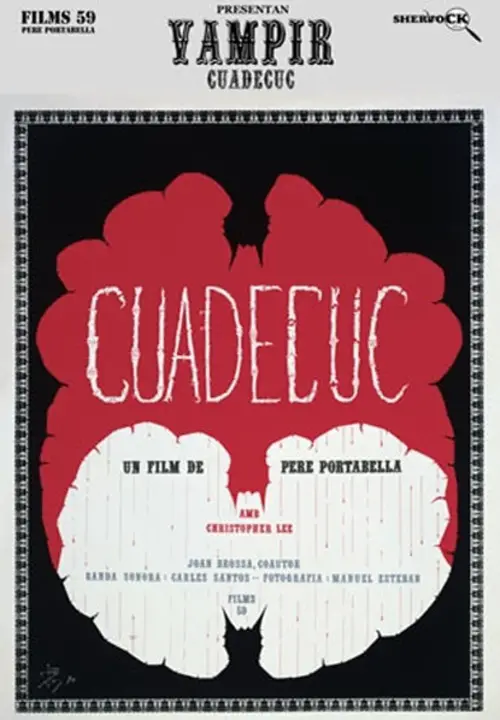
Vampir-Cuadecuc is a 1970 experimental feature film by Catalan filmmaker Pere Portabella. The entire film is photographed on high contrast black & white film stock, which gives it the appearance of a degraded film print, evoking early Expressionist horror films such as F. W. Murnau's Nosferatu or Carl Theodor Dreyer's Vampyr. It was shot on the set of Jesus Franco's Count Dracula, starring Christopher Lee and Herbert Lom. The sound track is by frequent Portabella collaborator Carles Santos, and the only spoken dialogue in the film appears only in the last scene, which features Lee reading from Bram Stoker's original novel.

Are your âfriendsâ from back then, still your âfriendsâ now? This is a story of one summer miracle. Due to a tragic accident during their childhood that took the life of one of their friends, five friends grew apart from one another. One summer day âMenma,â their friend who passed away, appears before them. She tells them that she must have a wish granted in order to pass on to the afterlife. But, she cannot remember what that wish is. The friends meet once more to figure out how to help âMenma.â Time that stood still begins to slowly move once more...Why did âMenmaâ come back?
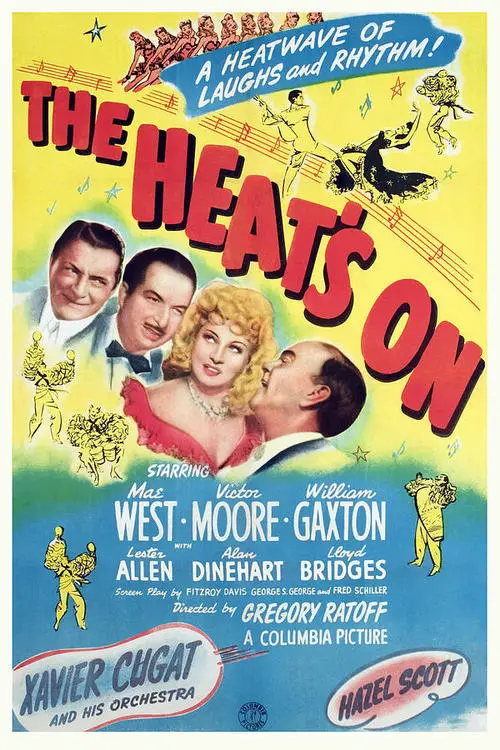
After an absence of three years, Mae West returned to the screen in the musical comedy The Heat's On. La West is cast as Fay Lawrence, a famous Broadway actress who is loved intensely by her producer Tony Ferris (William Gaxton). Rival producer Forrest Stanton (Alan Dinehart) steals Fay away from Ferris by convincing her that she's been blacklisted from Broadway by blue-nosed moralist Hannah Bainbridge (Almira Sessions). Meanwhile, Hannah's puckish brother Hubert (Victor Moore) syphons money from his sister's "clean up show business" committee to produce a musical show for his actress niece Janey (Mary Roche). Somehow, all these characters converge for a spectacular closing production number spotlighting the formidable Fay. Part of the reason for the failure of The Heat's On is the fact that Mae West didn't write her own dialogue, as was usually her custom. The film performed so poorly that it would be 27 years before West would again appear on the Big Screen.

Fifteen years ago, three childhood friends, Geki, Sherry and Okuma, were star-gazing and became inspired to go into space. As adults, Geki and Okuma join a mission to Mars, but their space shuttle goes missing before they could reach their destination. A year later, a monster attacks and a mysterious silver-colored warrior appears.

Nami hosts a late night home video program. She receives a tape which appears to be a real snuff film. She and her crew investigate the location where she meets a man looking for his brother who warns her to stay away. As she gets closer to the truth, she and her friends are subjected to a brutal nightmare.

In a quicksand surrounded town called Makka, rumors spread of a legendary robber named Gasback is after the town. To protect it, Mayor Kepler has hired bounty hunters. These hunters have been following Gasback from town to town in hopes of getting the bounty. Vash the Stampede is in town, along with Meryl and Milly, along with the female bounty hunter Ameria and Nicholas D. Wolfwood.
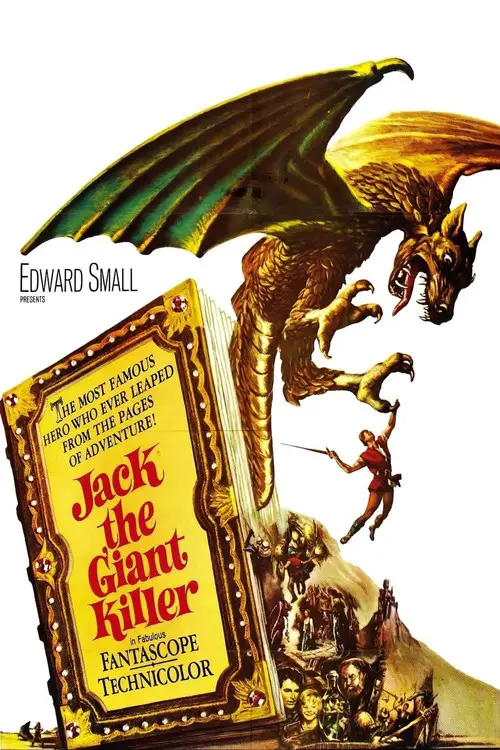
The terrible and trecherous Pendragon plans to gain the throne of Cornwall by getting the king to abdicate and to marry his lovely daughter. To help him he has his dreadful witches in his castle and his almost unstoppable sorcery. A giant under his control abducts the princess, but on the way home with her the giant meets farming lad Jack who slays him. This is only the beginning.
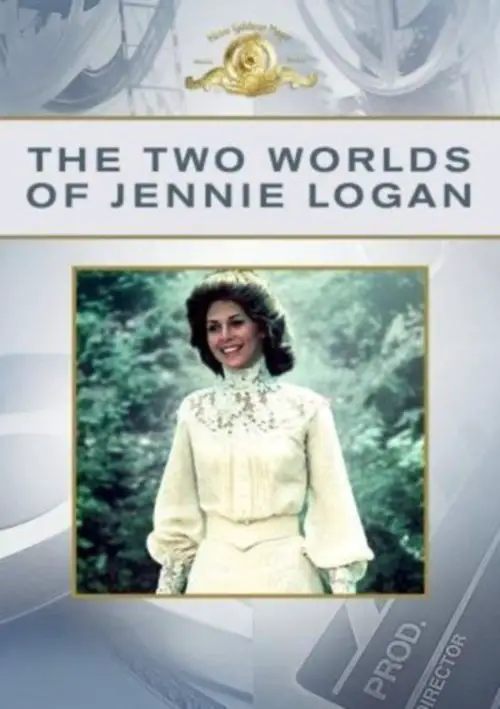
This movie is about a woman who is trying to rebuild her shattered marriage. She and her husband move to an old Victorian style home, where she finds a beautiful dress in the attic, which has a tear in the shoulder. She has the dress repaired. When she tries it on in the restored attic, she suddenly finds herself in another era. This time travel seems to happen whenever she wears the dress. She learns the house was once owned by an artist who died under mysterious circumstances. She meets the artist and eventually falls in love with him. Knowing what she does about his fate, can her love save him and change history?

This OVA features a somewhat original storyline because it presents the story from Yuria's perspective, spanning from her childhood, including the day she first met Kenshiro, to the conclusion of the previous film, as well as certain scenes from the manga and anime in which Yuria was not present. This story is the most expansive of the series, even covering never before seen events from Yuria's childhood, revealing both her mother and father, as well as her brother Ryuuga during his childhood. It also adds some details that were not in the manga, such as the time and place when Yuria developed her illness, her meeting with Rei (making his only appearance in the series), and her transition to the role of the Nanto General. One of the more notable additions is Yuria's dog Tobi, who serves an important role in the relationship between her and Ken. However, the OVA ends at the death of Souther and does not follow Yuria to the time of her death.
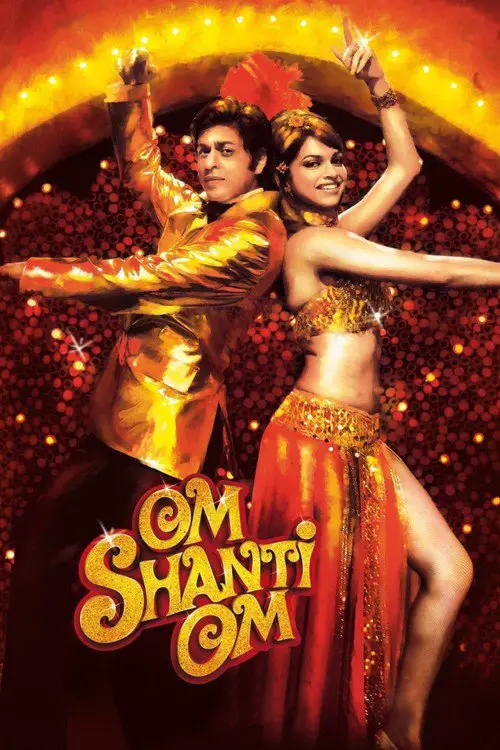
In this modern remake of Karz, Om - an aspiring actor from the 1970s - is murdered, but is immediately reincarnated into the present day. He attempts to discover the mystery of his demise and find Shanti, the love of his previous life.

Anniyan is a psychological thriller Movie. A devout and meek Iyengar and lawyer by the day and an undertaker by night who goes all out against the bad elements of the society with his gruesome murders , Ramanujam makes every kill a very gruesome and artistic one and is inspired by the Garuda Puranam. His idea is that suck a murder will reverberate with shock and awe in the society.
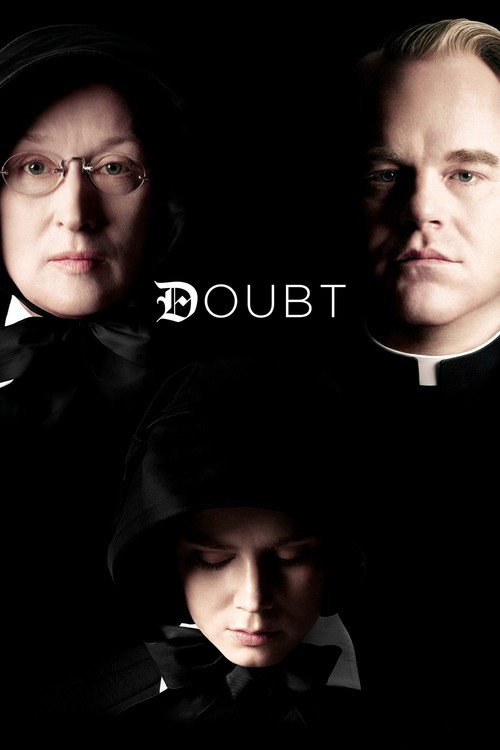
In 1964, a Catholic school nun questions a priest's ambiguous relationship with a troubled young student, suspecting him of abuse. He denies the charges, and much of the film's quick-fire dialogue tackles themes of religion, morality, and authority.



2015 Malayalam thriller film written and directed by Ranjith. It features Mohanlal as Raju and Andrea Jeremiah as Jayanthi in lead roles along with Ajmal Ameer, Siddique, Mythili, Tini Tom, Vijayaraghavan, Renji Panicker and V. K. Prakash in significant roles. The film is produced by Antony Perumbavoor under the banner Aashirvad Cinemas.
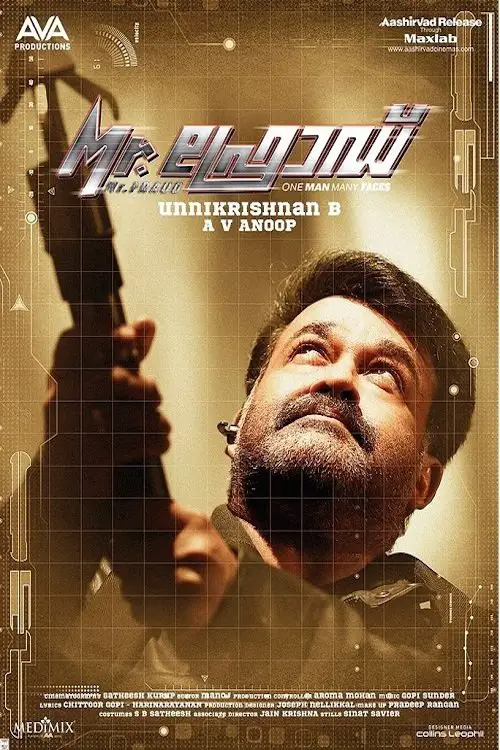
A prominent person from Delhi reach a palace,which is well known for its tradition and royalty to solve an issue. Consequently, instead of a solution, the issue becomes more and more complicated.
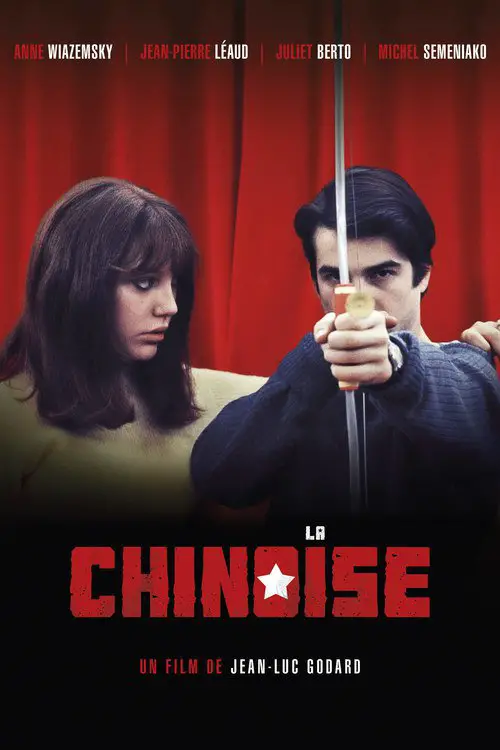
A small group of French students are studying Mao, trying to find out their position in the world and how to change the world to a Maoistic community using terrorism.
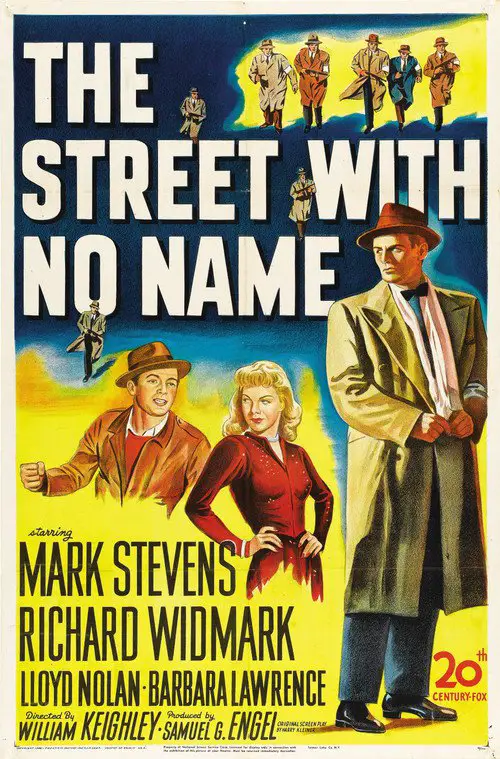
After two gang-related killings in "Center City," a suspect (who was framed) is arrested, released on bail...and murdered. Inspector Briggs of the FBI recruits a young agent, Gene Cordell, to go undercover in the shadowy Skid Row area (alias George Manly) as a potential victim of the same racket. Soon, Gene meets Alec Stiles, neurotic mastermind who's "building an organization along scientific lines." Stiles recruits Cordell, whose job becomes a lot more dangerous
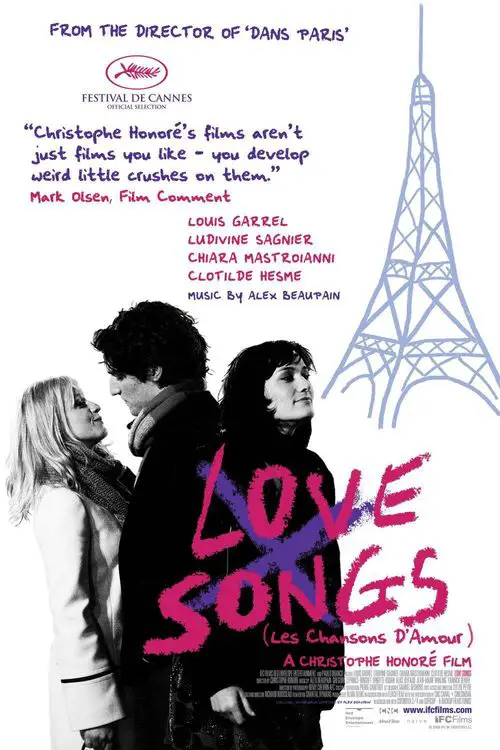
Though Love Songs (aka Les Chansons d'Amour) is not a film operetta per se, director Christophe Honoré and composer/lyricist/vocalist Alex Beaupain use that film to pay homage to the French movie musical as conceived by Jacques Demy in his classic Les Parapluies de Cherbourg (1967). The Honoré film concerns a series of hopelessly romantic Parisian characters who are unable to convey their feelings to one another in everyday situations, and who thus use musical numbers as outlets -- as vehicles of emotional expression. Beaupain composed the score; a number of the songs that are included appeared on one of his solo albums. The individual stories covered in the film tell age-worn tales as old as time: the loss of love, the discovery of new love, the impossibility of mutual love.
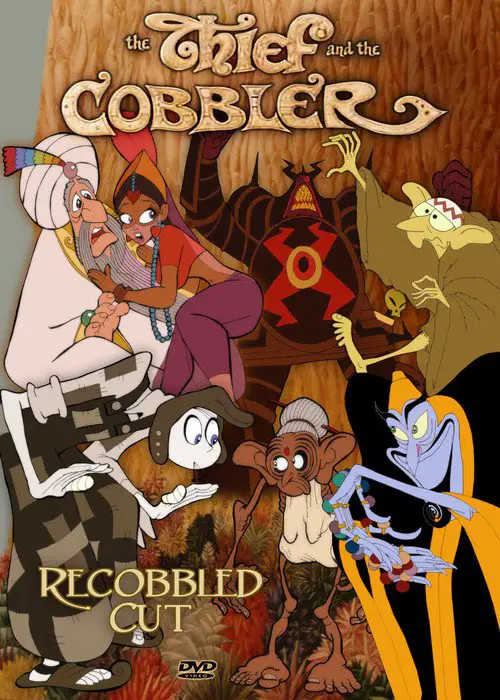
It is written among the limitless constellations of the celestial heavens, and in the depths of the emerald seas, and upon every grain of sand in the vast deserts, that the world which we see is an outward and visible dream, of an inward and invisible reality ... Once upon a time there was a golden city. In the center of the golden city, atop the tallest minaret, were three golden balls. The ancients had prophesied that if the three golden balls were ever taken away, harmony would yield to discord, and the city would fall to destruction and death. But... the mystics had also foretold that the city might be saved by the simplest soul with the smallest and simplest of things. In the city there dwelt a lowly shoemaker, who was known as Tack the Cobbler. Also in the city... existed a Thief, who shall be ... nameless.

Drama film about different lifes of twin brothers.
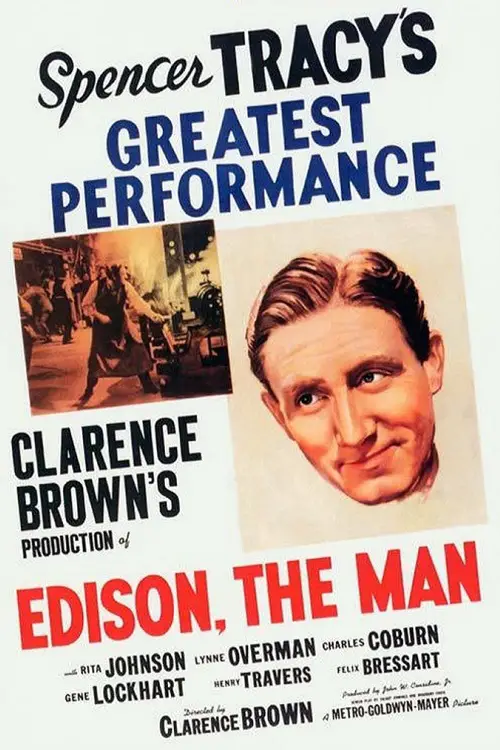
In flashback, fifty years after inventing the light bulb, an 82-year-old Edison tells his story starting at age twenty-two with his arrival in New York. He's on his way with invention of an early form of stock market ticker.
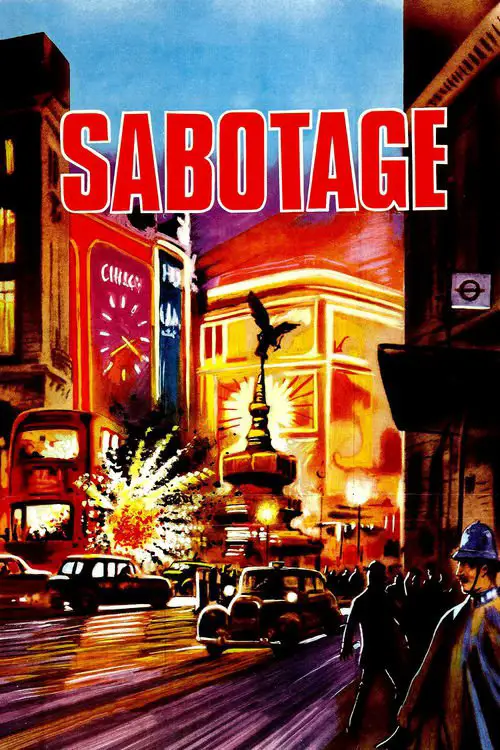
A Scotland Yard undercover detective is on the trail of a saboteur who is part of a plot to set off a bomb in London. But when the detective's cover is blown, the plot begins to unravel.
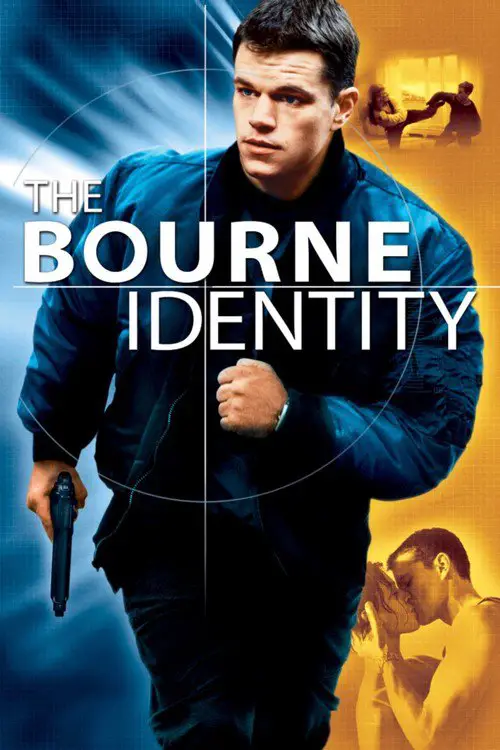
Wounded to the brink of death and suffering from amnesia, Jason Bourne is rescued at sea by a fisherman. With nothing to go on but a Swiss bank account number, he starts to reconstruct his life, but finds that many people he encounters want him dead. Bourne realizes, though, that he has the combat and mental skills of a world-class spy, but who does he work for?
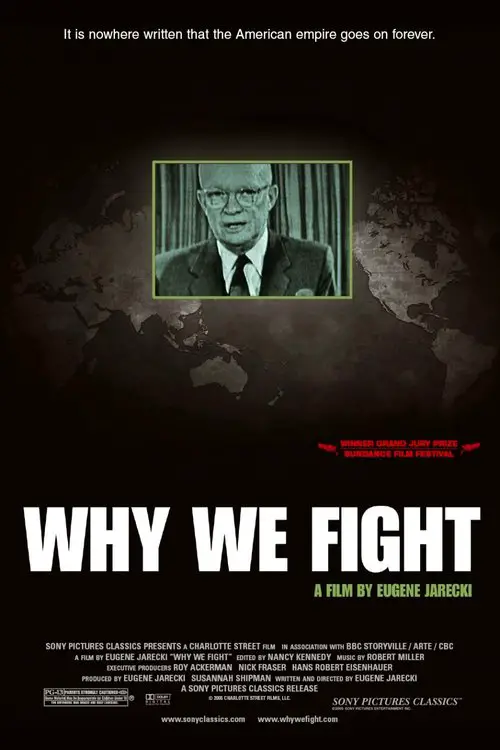
Is American foreign policy dominated by the idea of military supremacy? Has the military become too important in American life? Jarecki's shrewd and intelligent polemic would seem to give an affirmative answer to each of these questions.

A very handsome man finds the love of his life, but he suffers an accident and needs to have his face rebuilt by surgery after it is severely disfigured.
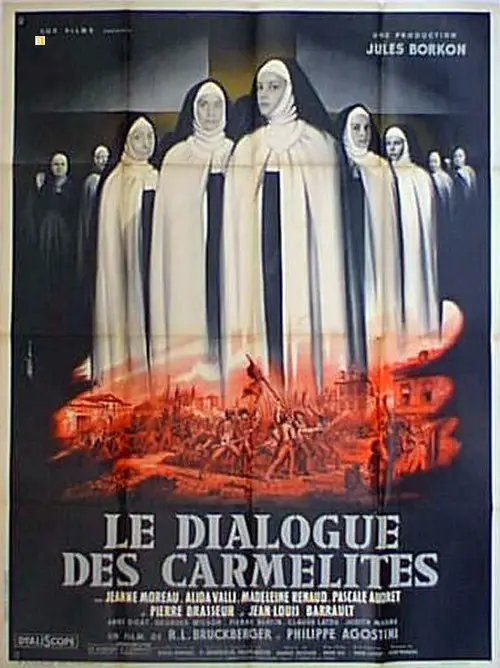
In full French Revolution, the young Blanche de la Force decides to protect a convent and so entered the Carmelite order. She meets the cheerful nun Sister Constance and mother Marie, among others, and is happy with them despite the external conflicts and pressures of his father to leave the convent. Film based on real and tragic story from the sixteen Carmelite nuns in the convent of Compiègne in 1794, and collected by the French writer Georges Bernanos in his play of the same name, which in turn was inspired by the piece "The Last of the scaffold" the writer Gertrud von Le Fort.
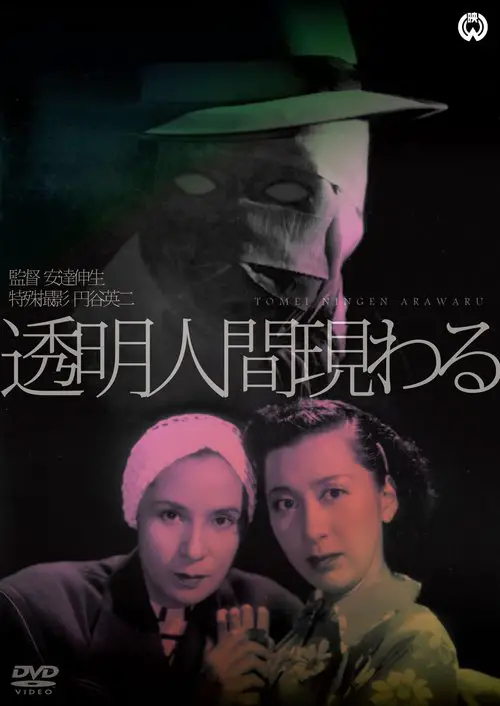
1949âs TOUMEI NINGEN ARAWARU (THE INVISIBLE MAN APPEARS/THE TRANSPARENT MAN APPEARS) éæ人éç¾ãã was a monochrome gem with special effects supervised by Eiji Tsuburaya. Loosely based on the H.G. Wells 1897 classic novel THE INVISIBLE MAN, the Japanese take on the story, still has a scientist using a special chemical to become invisible. The story begins when jewel thieves becomes interested in an invisibility formula invented by Professor Nakazato. The theives kidnap the professor and want to use his invention to acquire a diamond necklace called the âTears of Amourâ. There are a lot of twists and turns in this film, as to who is the Invisible Man and why. The Japanese Invisible Man looks just like Universalâs 1933 version played by Claude Rains, with bandages and an overcoat. The formula has the same adverse symptoms which effect the nervous and drive the user insane.
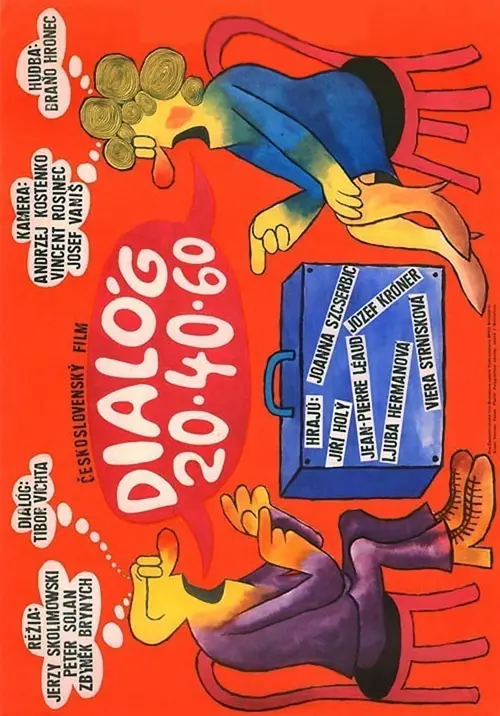
"Using the same, three times repeating dialogue â dramatic conversation between man and woman â Jerzy Skolimowski from Poland, Slovak director Peter Solan and Czech director Zbynìk Brynych shot three different stories. The result was an extraordinary experiment in the world cinema, which we can call an insight in the relationships of men and women of different age groups, an analysis of love and marriage of those who are at the beginning, in the middle or going towards the end of their life."

A Path Appears, from the creative team that brought you the groundbreaking series Half the Sky: Turning Oppression into Opportunity for Women Worldwide, follows intrepid reporters Nicholas Kristof and Sheryl WuDunn and actor/advocates Malin Akerman, Mia Farrow, Ronan Farrow, Jennifer Garner, Regina Hall, Ashley Judd, Blake Lively, Eva Longoria, and Alfre Woodard to Colombia, Haiti, Kenya, and throughout the United States as they uncover the harshest forms of gender-based oppression and human rights violations, as well as the effective solutions being implemented to combat them.
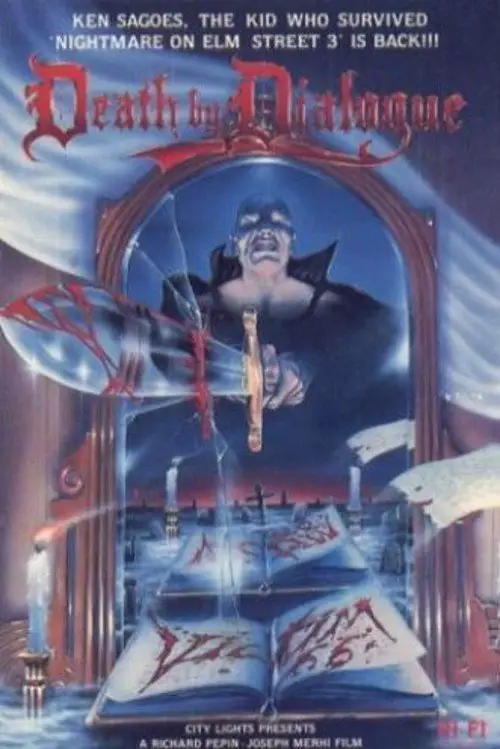
A guy and four of his friends visit his crippled uncle, a taxidermist who lives with his housekeeper next to a movie set. Pretty soon people start being killed in the manner they are in the script of the movie being filmed next door.

Edo ni arawareta Kingu Kongu: Henge no maki was one of Japan's first kaiju (giant monster) films, predating Godzilla by 16 years. Fuminori Ohashi, who would later create the suit for Godzilla in the original 1954 film, created the ape suit and special effects for this film.

A documentary about the film-maker's wife and co-worker, Peggy Lawson, who died in 1971.
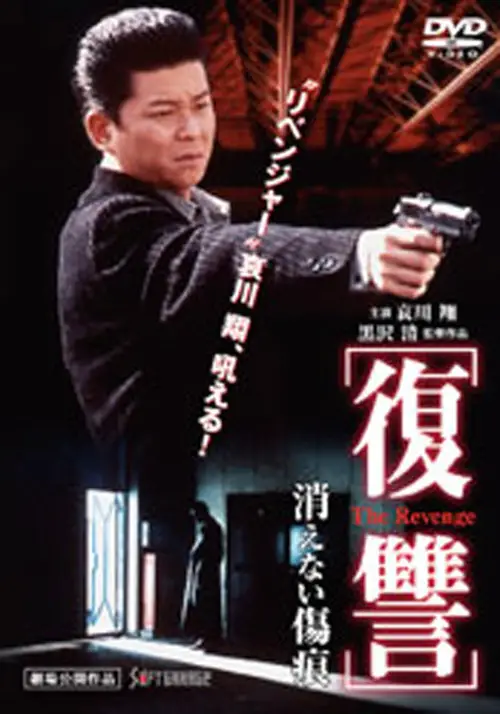
Second half of the violent tale of revenge from actor Sho Aikawa and director Kiyoshi Kurosawa! It's been five years since he left the force, lost his wife, and waged all out revenge, and now our hero is idling his time with a failing yakuza group. When he discovers the secret of one of his superiors, he takes up the gun of vengeance and realizes that his life has only been to serve that purpose.
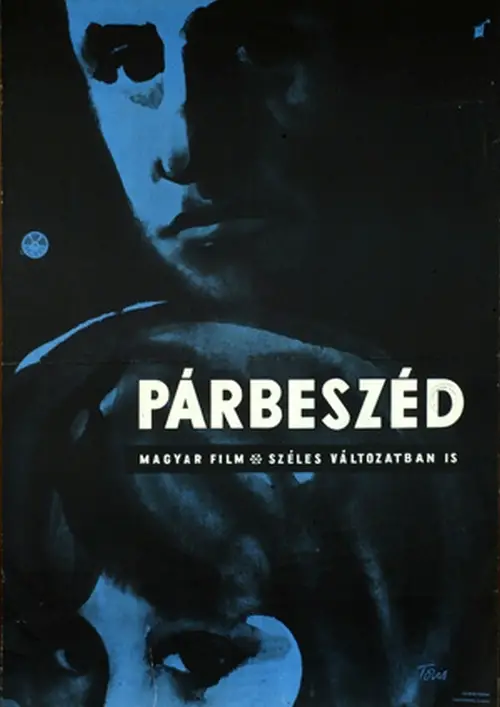
The film depicts the period between 1945-60 through the life of a communist couple. Barna Judit, just released from a concentration camp and Horváth László, with an illegal past are brought together by the communist movement. They study and make plans together in the hope of a future that will make sense. The marriage they just entered, however, gets ruined soon by the events of history.
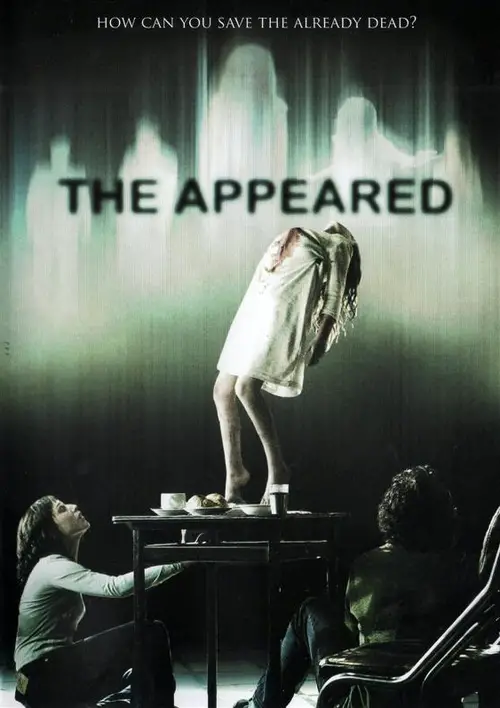
One night Malena and Pablo, a sister and brother traveling together in Argentina, discover a diary that details crimes committed twenty years ago.
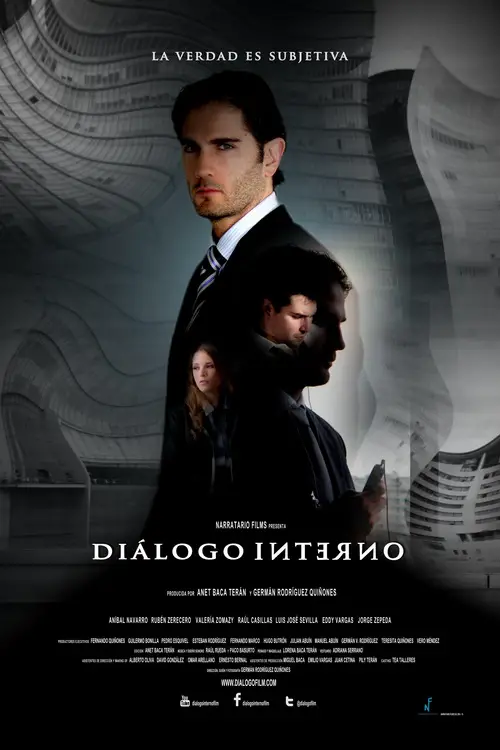
Financial investigator Juan interrogates the employee José the prime suspect of internal fraud. José reveals the fraud and the people involved.
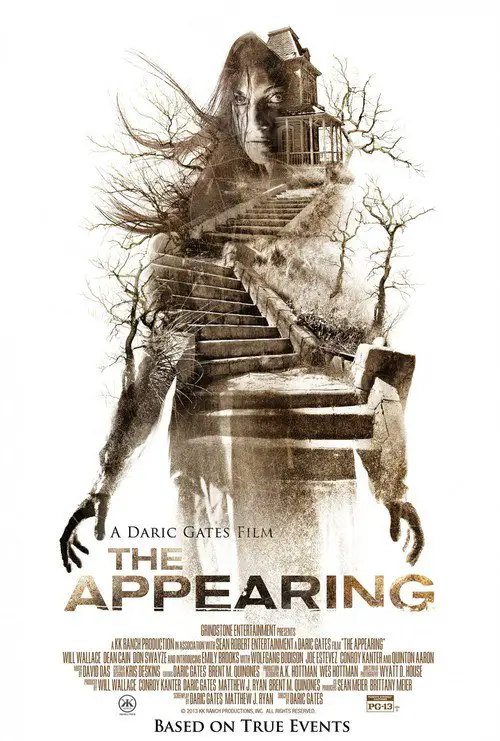
A woman once possessed by a mysterious entity uncovers a shocking secret about her past and must face the demon that is lurking inside of her.
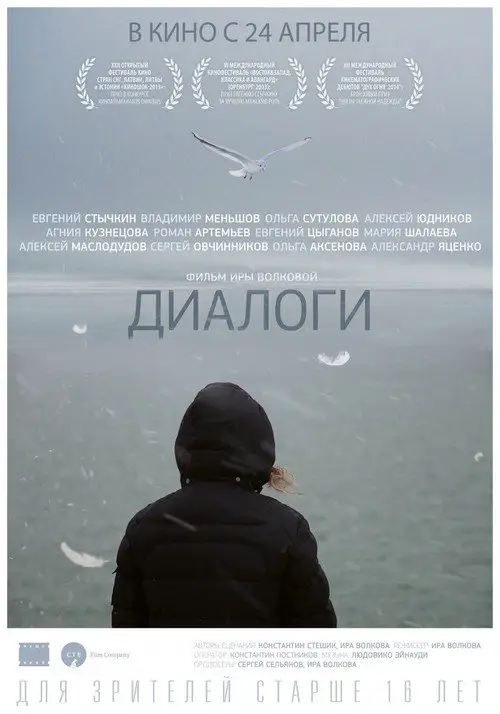
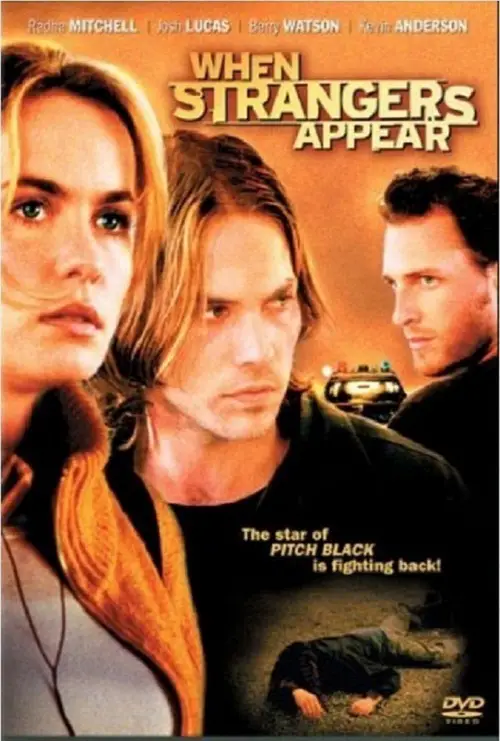
A man enters a roadside diner run by a young woman and claims he is being chased by murderers.
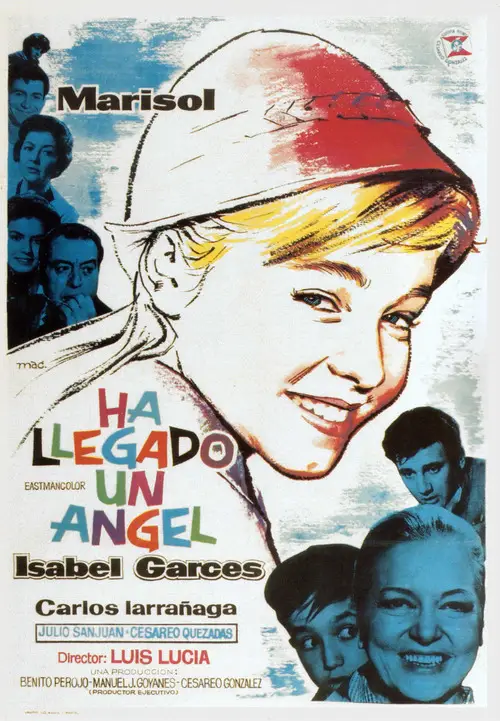
Marisol, who has recently lost his father at sea, leaving Cadiz to go live with his uncle Ramon. He lives in a family that falls apart because of his wife Eleanor, obsessed only pretend to their friends, who spoiled her children, Javier, Churri, Jorge and Pili. Javier is dedicated to waste money. Churri flirts with several suitors, and end up choosing the least of it is. Jorge lose too much time exercising and neglected studies, and Pili, even a child, she spends hours without leaving the cinema. Javier gets into financial problems that threaten to take him to jail, and Marisol decides to get the money anyway. Furthermore, it decides, with the help of the maid of the house, Herminia, and a friend he met on the train, trying to straighten out the family, earning the enmity of immediate Leonor, who from the beginning did not look favorably upon the arrival of the child.
Vampir-Cuadecuc is a 1970 experimental feature film by Catalan filmmaker Pere Portabella. The entire film is photographed on high contrast black & white film stock, which gives it the appearance of a degraded film print, evoking early Expressionist horror films such as F. W. Murnau's Nosferatu or Carl Theodor Dreyer's Vampyr. It was shot on the set of Jesus Franco's Count Dracula, starring Christopher Lee and Herbert Lom. The sound track is by frequent Portabella collaborator Carles Santos, and the only spoken dialogue in the film appears only in the last scene, which features Lee reading from Bram Stoker's original novel.
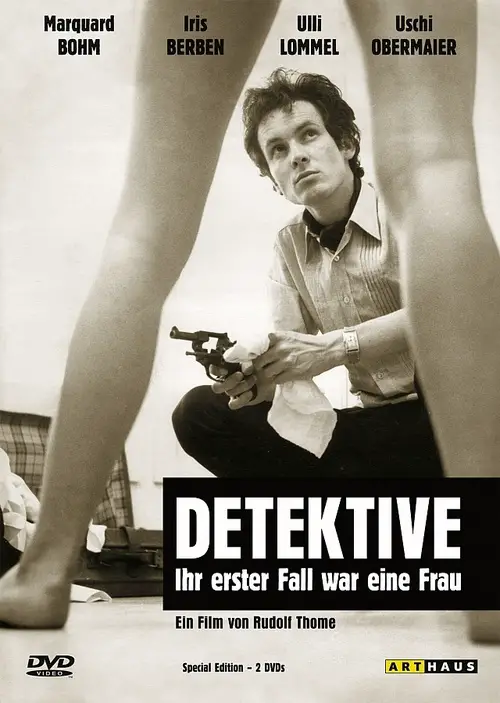
Munich in the late Sixties must have been the coolest place on earth. At least when you look at some of the movies that were made around that time. "Detektive" is Rudolf Thome's feature debut, one year before he shot "Rote Sonne" (Red Sun) Link , and naturally it was a movie about girls and guns (and two cool dudes, proto slackers). The story is almost forgettable, it's all about the style. And, of course, Uschi Obermaier, the star of "Rote Sonne", whom Thome had discovered for "Detektive". (Consequently, for most of the time, Uschi runs around in her undies) The dialogues are hilarious, super deadpan, the crime plot is ridiculous, the cinemathography (b/w and scope) beautiful.
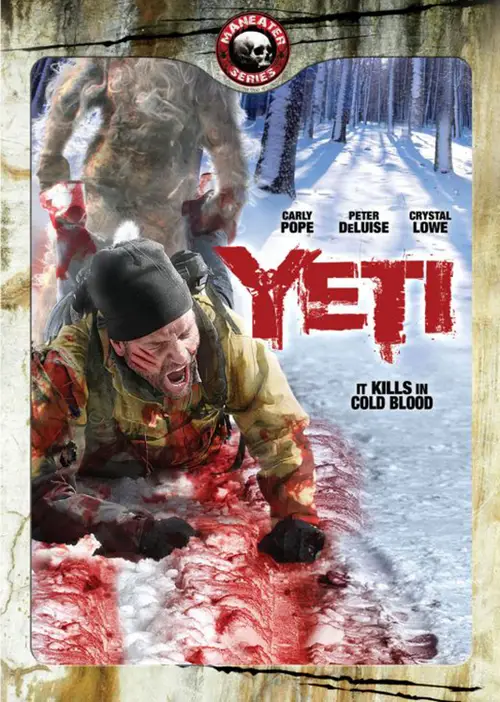
Surviving the plane crash was only the beginning ... After their plane crashes into uncharted territory in the Himalayas, the survivors set out to find help in the freezing cold. As the days pass and with no sign of a rescue, tensions begin to mount. The survivors wrestle with their consciences as they realise that in order to survive, they must use the bodies of the dead as food. But when it appears that something else is already feeding upon the dead, the survivors realise that their biggest danger is not hunger but something infinitely more sinister: a legendary Yeti is stalking them and is moving in for the kill. Can they outsmart the beast or will they die trying?
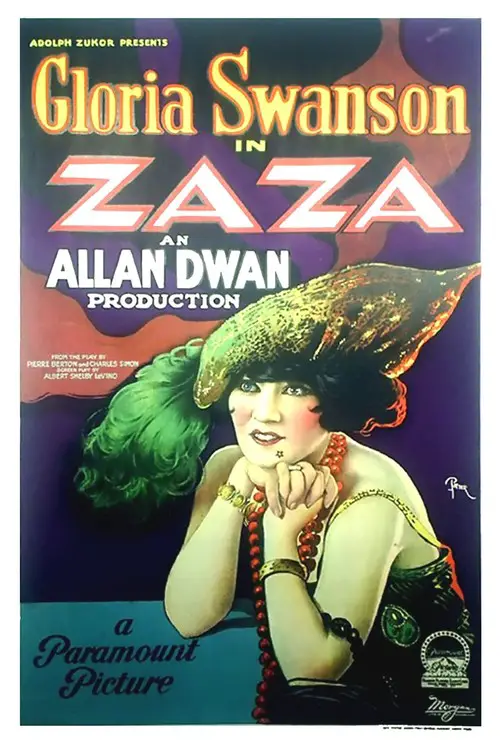
Zaza (Swanson) is an actress and the favorite at an open-air theater in a small French town. When diplomat Bernard Dufresne (H.B. Warner) comes to the village, he stays away for fear he will fall for her. But during one performance, while Zaza is singing on a swing, her rival (Mary Thurmon) cuts the rope and she falls. Zaza is badly injured and she makes Dufresne's acquaintance. A romance quickly springs up and he installs her in a villa. Their happiness is marred, however, when his wife appears and begs him to give Zaza up so he can take a high diplomatic assignment. Zaza thinks Dufresne has left her for another woman, and only after she travels to Paris does she realize he was already married and had a family. Broken-hearted, she turns her back on the affair. The years pass, World War I comes and goes, and the former lovers meet up once again. Dufresne's wife has died, so they are able to reunite.
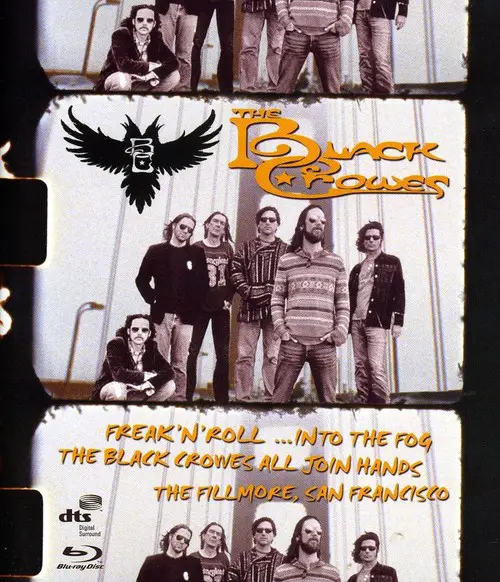
Rip-roaring rock ân roll. In 2005 The Black Crowes played a five night gig at The Fillmore in San Francisco. This appears to be a document of the one night they hooked up with the four-man Left Coast Horns (who apparently had only that afternoon to work out arrangements and rehearse with the band). Did they get it together? Fuckinâ A! You have to love a band that walks out on stage and opens up by kicking every ass in the house with a burner like â(Only) Half Way to Everywhereâ.
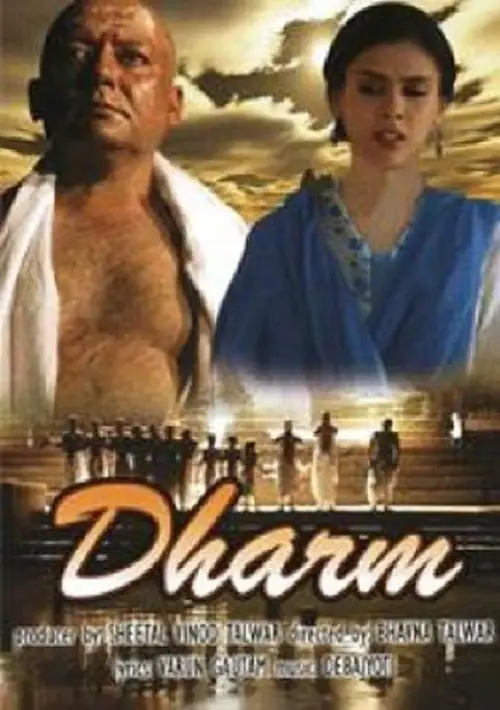
The story is based in Banaras and is about a Hindu Priest Chaturvedi (Pankaj Kapoor) who follows the scriptures to practice Hindu religion. When a child is abandon by a woman and brought in his house by his daughter - after initial hesitation but due to requests from his wife (Supriya Pathak) - the family adapts the child; only to know after 4 years that the child is a Muslim. The family gives away the child and Chaturvedi engulfs himself in the purification process to cleanse his body, mind and soul due to contact with a Muslim soul. By the time, Chaturvedi thinks he is fully purified â the child reappears â seeking refuge, due to Hindu- Muslim riots. This is the time Chaturvedi finally realizes that the true religion is - religion where humans help humans â humanity.

In the story, the seasons have changed and it will soon be the second spring. Tatsuya and Miyuki have finished their first year at First Magic High School and are on their spring break. The two go to their villa on the Ogasawara Island archipelago. After only a small moment of peace a lone young woman named Kokoa appears before them. She has abandoned the Naval base and she tells Tatsuya her one wish.

It has been a year since XiaoLin's death. She has left behind her husband, YiFan and their 5 year old son XiaoBin. Like the picture book the mother left behind, day-by-day XiaoBin waits for the rainy season to come, if as a miracle will happen. Suddenly, one day in a deserted forest a phenomenal event happens. Right before the YiFan's and XiaoBin's eyes XiaoLin mysteriously appears, however she has no memory of her life and no sense of identity. Thus, to get back XiaoLin's memory YiFan talks about their past and rekindles what they had. As the rainy season comes to an end XiaoLin leaves her husband and son again. It's only after XiaoLin leaves the untold mysteries and events are explained and understood.
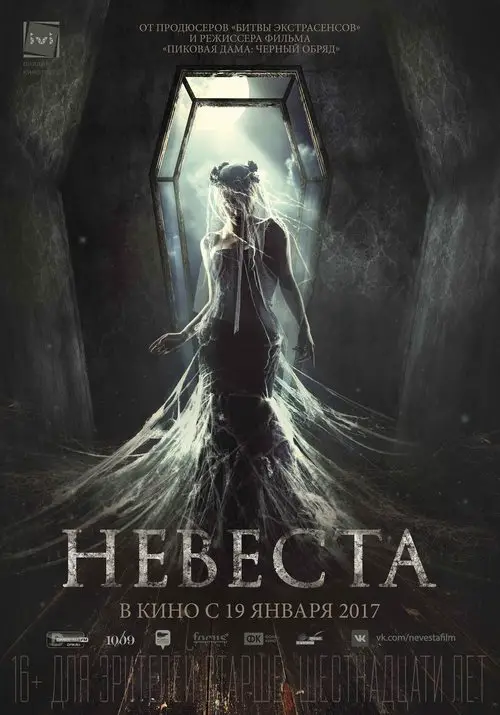
This is a story of a small town girl named Nastya. Her newly married husband Ivan drives her to his hometown to meet his family. Upon their arrival Nastya feels she made a wrong decision: she is surrounded by weird people and she sees creepy photos all around the house. Ivan disappears while his family prepares Nastya for a mysterious traditional Russian wedding ceremony. She struggles to calm herself down hoping all this will end and they will live happily ever after. Only if she stays alive...

It isn't easy to find a dream to chase when you're young, but Mugiko (Maki Horikita) has one: she can't wait to become an anime voice actress. Saving up for classes while she works part time in a manga store, she lives with her older, gambler brother (Ryuhei Matsuda) after her father's death. When the mother (Kimiko Yo) she never knew turns up out of nowhere and moves in, it only causes irritation for the aspiring otaku. But when her mother just as quickly disappears, it leaves Mugiko (or "Sweet Pea") searching for answers, bringing her back to her mother's hometown to discover what happened to her mother's own dream. Featuring fun animated sequences produced especially for the film by renowned studio Production I.G ("Ghost in the Shell," "Blood: The Last Vampire"), "My Little Sweet Pea" boasts hilarious and moving performances, with director Keisuke Yoshida's signature comic timing and snappy dialogue.

Aspiring filmmakers Mel Funn, Marty Eggs and Dom Bell go to a financially troubled studio with an idea for a silent movie. In an effort to make the movie more marketable, they attempt to recruit a number of big name stars to appear, while the studio's creditors attempt to thwart them. The film contains only one word of dialogue, spoken by an unlikely source.
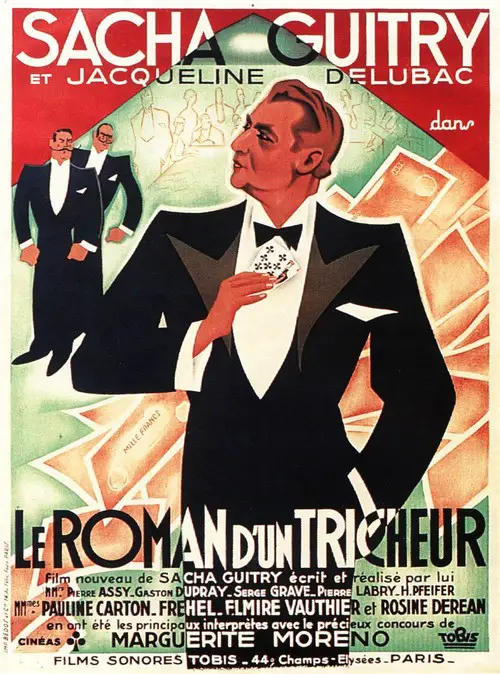
Life story of a charming scoundrel, with little dialogue other than the star/director's witty narration. As a boy, only he survives a family tragedy when he's deprived of supper (poisonous mushrooms!) for stealing...concluding that dishonesty pays. Through years of dabbling in crime and amusing adventures, two women appear and reappear in his life, a dazzling blonde jewel thief and a stunning brunette gambler. Finally, he meets the mysterious Charbonnier who had saved his life in World War I, leading to the surprising next phase in his career...
After an absence of three years, Mae West returned to the screen in the musical comedy The Heat's On. La West is cast as Fay Lawrence, a famous Broadway actress who is loved intensely by her producer Tony Ferris (William Gaxton). Rival producer Forrest Stanton (Alan Dinehart) steals Fay away from Ferris by convincing her that she's been blacklisted from Broadway by blue-nosed moralist Hannah Bainbridge (Almira Sessions). Meanwhile, Hannah's puckish brother Hubert (Victor Moore) syphons money from his sister's "clean up show business" committee to produce a musical show for his actress niece Janey (Mary Roche). Somehow, all these characters converge for a spectacular closing production number spotlighting the formidable Fay. Part of the reason for the failure of The Heat's On is the fact that Mae West didn't write her own dialogue, as was usually her custom. The film performed so poorly that it would be 27 years before West would again appear on the Big Screen.
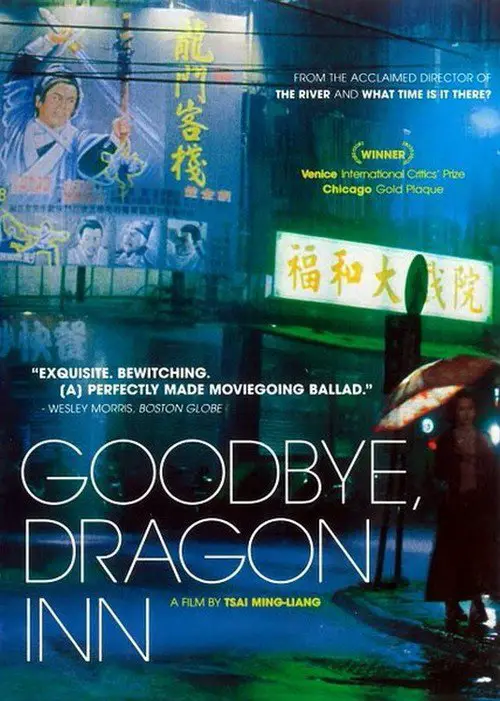
Goodbye, Dragon Inn is set in the approximately ninety minutes of the last feature at an old Taipei cinema that is closing down, showing King Hu's 1967 sword-fighting classic Dragon Inn. Only a few people are present in the cinema, and a variety of subplots are developed around them. Throughout the film, the ticket woman tries to find the projectionist, searching for him in order to present him with a steamed bun. A young Japanese tourist wanders around the cinema in search of a homosexual encounter. An older man tells him that the cinema is haunted. An old man, who was one of the actors who appeared in the original Dragon Inn, watches the film with tears in his eyes. Outside the theater, he encounters an older man who had been watching the film with his grandson; this man also starred in the original film. The film is shot with almost no camera movement, most shots lasting well over thirty seconds. There are only about a dozen of lines of dialogue.

This low-budget avant garde feature uses no dialogue in telling the story of the reaction of the Spanish court after the initial exploration of America. A botanist revels in his collection of new plants. A native is baptized in a church ceremony, and nuns and court jesters appear throughout this rambling feature.
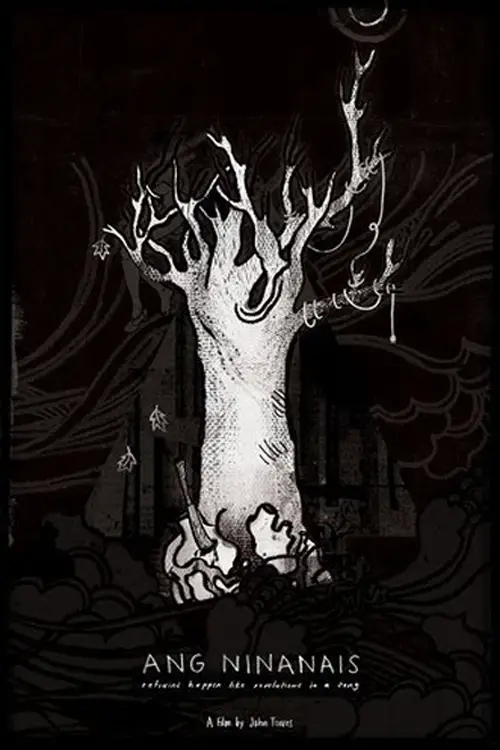
Sarah is a debt collector who lives among the inhabitants of the village of Guimbal on the island of Panay. She wants to find the young man who appeared to her in a dream and goes to the island of Negros. Here, as she interacts with the inhabitants, Sarah continues her search, gathering memories of life and war, dreams, myths, legends, songs and stories that she takes part in and at times revolve around her. She is the daughter of an ancient mermaid, a revolutionary, a primordial element, a virgin who was kidnapped and hidden away from the sunlight. âThe film is a retelling of fragments of the American occupation. Dialogue, shot in the Hiligaynon language, is not translated but used as a tonal guide and a tool for narration. Using unscripted scenes shot where the main character was asked to merely interact with the villagers, I discard dialogue and draw meaning from peoplesâ faces, voices, and actions, weaving an entirely different story through the use of subtitles and inter-titles.â
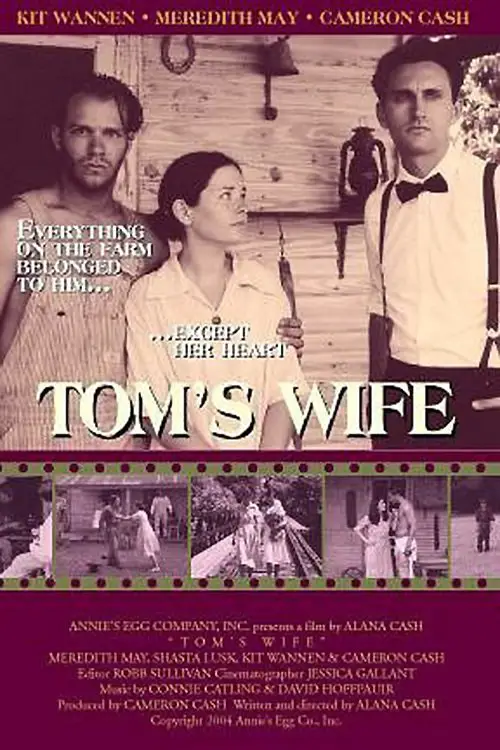
Depression era story of a young woman trapped in an abusive marriage who finds grace in the friendship of her neighbor, and hope in the love of a traveling salesman. Garnering awards at festivals all over the world, Tom's Wife offers a glimpse into the scope of truly independent cinema and will be a joy to watch for anyone looking for a story with heart and dignity.
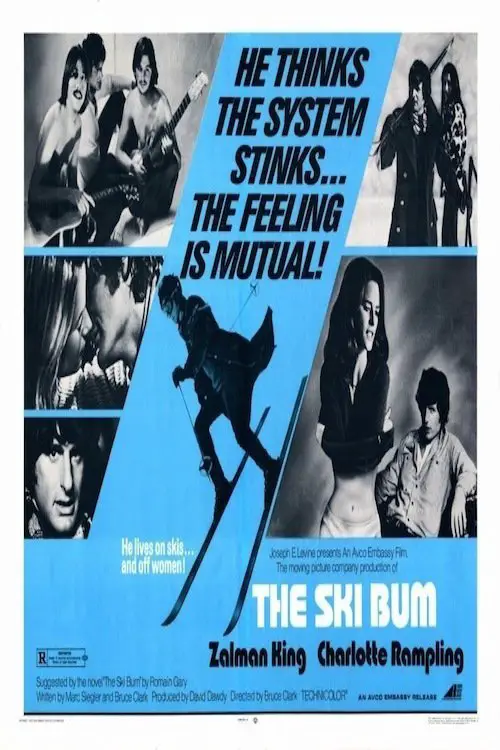
Itâs The Graduate on the slopes, only with psychedelic fringes, hippies, dope deals, bizarre fantasy sequences and enough reverb-echo for a Joe Meek tribute. Before he was an auteur du sexy with Wild Orchid and Red Shoe Diaries, Zalman King starred in a number of Seventies underground dramas such as tonightâs film, in which heâs an angry young man in a wintery Colorado resort town, trying his best to avoid the ski-bummer that lies dead ahead if he complies with the sinister wishes of the burgâs local plutocrat. Co-starring Charlotte Rampling, this highly unusual tale is awash in expansive, snow-capped âscope cinematography and a whirlwind of spacey vibes. (Cinespia / Cinefamily)
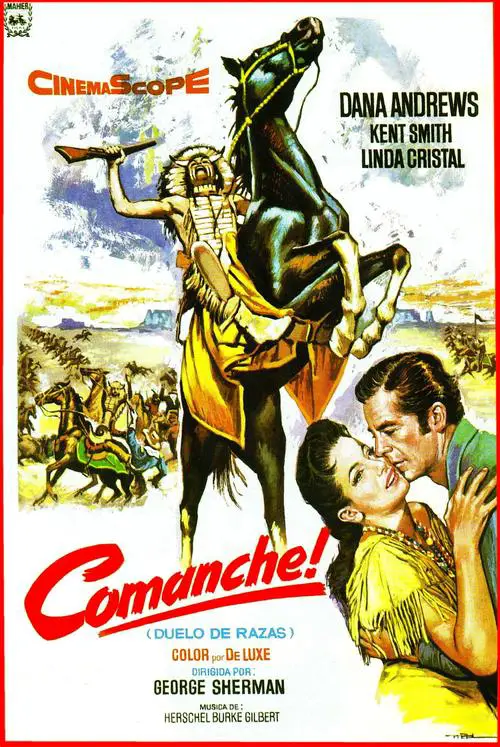
The Never-Before-Told Epic of the Last Great Indian Battle...Filmed in the All-The-Earth-Spanning Power of CinemaScope

Oh... Rosalinda!! (1955) is a film by the British director-writer team of Michael Powell and Emeric Pressburger. The film stars Michael Redgrave, Mel Ferrer, Anthony Quayle, dancer Ludmilla Tchérina and Anton Walbrook and features Dennis Price. The film is based on the operetta Die Fledermaus (The Bat) by Johann Strauss, but updated to take place in post-war Vienna as occupied by the four Allied powers: the United States, the United Kingdom, France and the U.S.S.R. The music, played by the Vienna Symphony Orchestra under conductor Alois Melichar,[2] has new lyrics by Dennis Arundell, and professional singers dubbed for some of the actors. The choreography is by Alfred Rodrigues, and the production was designed by Hein Heckroth. Oh... Rosalinda!! is a light-hearted Technicolor romp that makes full use of the new CinemaScope process, and is not just a film of a staged production but a filmic operetta.
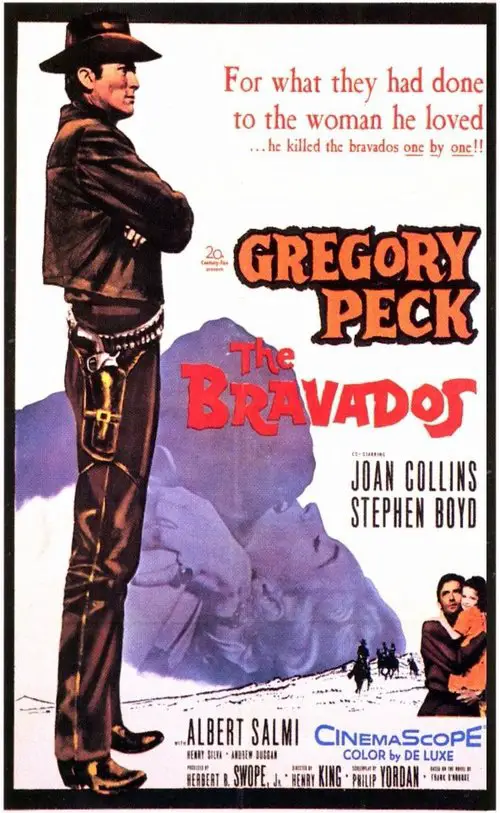
The Bravados is a 1958 western film (color by DeLuxe), directed by Henry King starring Gregory Peck and Joan Collins. The CinemaScope film was based on a novel of the same name written by Frank O'Rourke.Jim Douglas (Gregory Peck) is a rancher who has been pursuing the four outlaws who murdered his wife for six months. He rides into the town of Rio Arriba, where four men, Alfonso Parral (Lee Van Cleef), Bill Zachary (Stephen Boyd), Ed Taylor (Albert Salmi) and Lujan (Henry Silva), fitting the description are in jail awaiting execution, so that he can see the hanging. The town has issued instructions to only allow the hangman (Joe DeRita) to enter, so Jim is taken to Sheriff Eloy Sanchez's (Herbert Rudley) office to state his business. The town has never had an execution before, so they have brought in a man from outside town to do the job. The sheriff allows Jim into the jail to see the men. They claim they had never seen him before, but he has the face of a hunter.
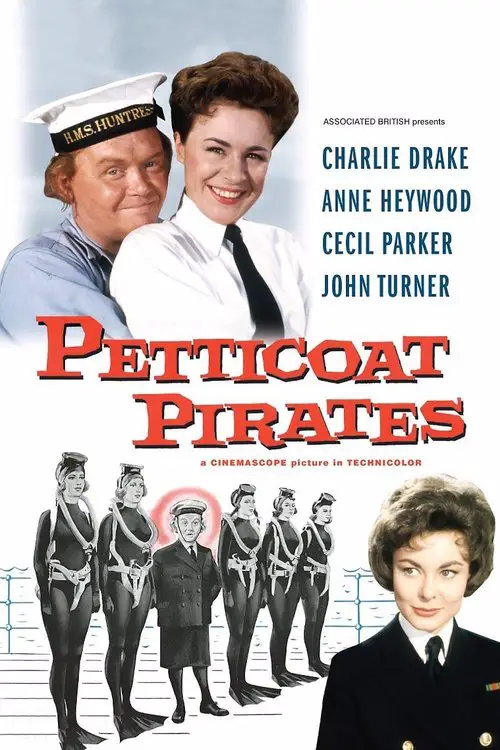
Undistinguished British farce (in Technicolor and CinemaScope). Stoker Charlie (the diminutive Drake) helps 150 Wrens under Superintendent Maxine Audley, who've hijacked a frigate, HMS 'Huntress', to prove they're the equal of their male counterparts. Hardly a feminist masterpiece, but fans will relish the nightmare court-martial in which Drake plays all the parts

The film was launched by C. V. Sridhar in 1980 as a Cinemascope venture and was then titled as Sakthi. Sridhar collaborated with Kamal Haasan after the success of the 1978 film Ilamai Oonjal Aadukirathu, which had also featured Rajinikanth. The film was meant to be the first film which featured Kamal Haasan and Ambika as a lead pair and stills were released featuring Ambika in a swimsuit. The film got delayed and was put on the back burner, before it re-emerged in 1986 under the title of Meendum Suryodayam and shooting progressed. It was planned for an April 1986 release, which got postponed to May 1 of 1986. There was a local authority election in March 1986 and the Dravida Munnetra Kazhagam won seats. Sridhar felt that if the film released with the title Meendum Suryodayam (Rising Sun),
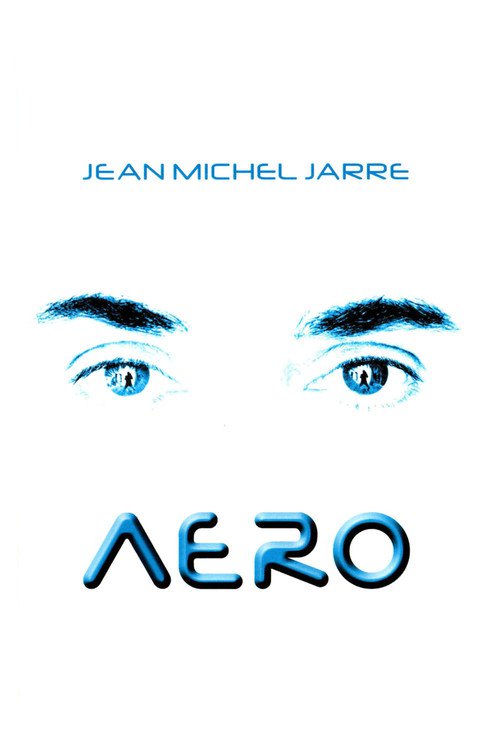
A pair of beautiful eyes, shot in high-definition cinemascope, gazing out at the listener and reacting emotionally to the music...for the entire 75 minutes of the album.
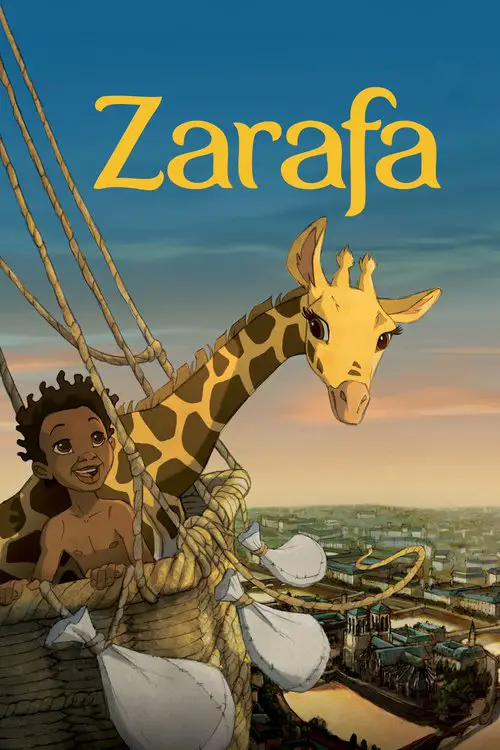
Inspired by the true story of the first giraffe to visit France, Zarafa is a sumptuously animated and stirring adventure, and a throwback to a bygone era of hand-drawn animation and epic storytelling set among sweeping CinemaScope vistas of parched desert, wind-swept mountains and open skies. Under the cover of darkness a small boy, Maki, loosens the shackles that bind him and escapes into the desert night. Pursued by slavers across the moon-lit savannah, Maki meets Zarafa, a baby giraffe â and an orphan, just like him â as well as the nomad Hassan, Prince of the Desert. Hassan takes them to Alexandria for an audience with the Pasha of Egypt, who orders him to deliver the exotic animal as a gift to King Charles of France.
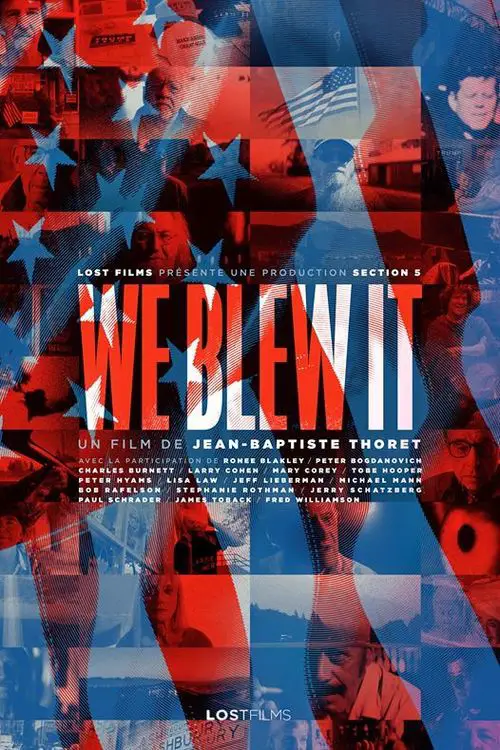
How did America change from Easy Rider into Donald Trump? What became of the dreams and utopias of the 1960's and 1970's? What do the people who lived in that golden age think about it today? Did they really blow it? Shot in Cinemascope - from New Jersey to California - this melancholic and elegiac road-movie draws upon the portrait of a confused, complex and incandescent America one year after the start of the electoral campaign. That golden age has become its last romantic border and an inconsolable America is about to pull on a trigger called Trump.

One early morning, at the beginning of a very hot summer, Mariano, a sixteen-year-old teenager, returns home, jumps into the pool and does some laps with a stopwatch. Then he gets out and mows the lawn, where he accidentally cuts the mowerâs power cord when he runs over it. Set on fixing it, he goes to find tools but stumbles across a gun that he brings back to his room to shoot himself twice. But Mariano survives: one bullet just grazed his head and the other one, he believes, is stuck somewhere inside his body even if the doctors canât find it anywhere, nor any exit wound for that matter. The only aftereffect he seems to have is a mysterious double-note when he plays music with his friends, which according to him is probably the result of the bullet still being inside him. But Marianoâs impulsive act will have other consequences on the people surrounding himâ¦
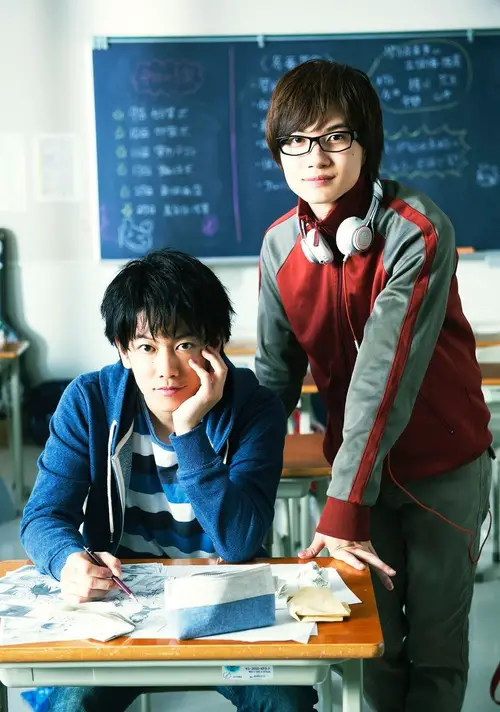
Moritaka Mashiro (Takeru Satoh) doesn't want to follow in the path of his uncle who worked as a manga artist, but ultimately died because of exhaustion. Moritaka Mashiro figures he will graduate from school and work at an office. Things change though when falls in love with a girl at school. The girl, who hopes to become a voice actress, tells Moritaka they can marry, but only after they both achieve their dreams. Moritaka then teams up with fellow classmate Akito Takagi (Ryunosuke Kamiki) to publish their first manga.
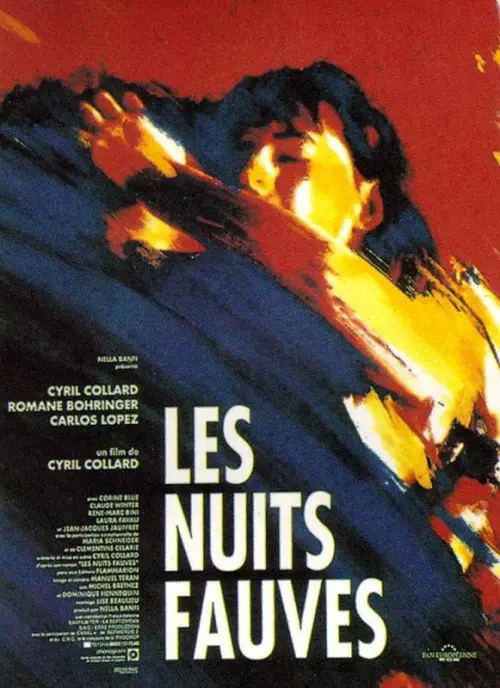
Jean is young, gay, and promiscuous. Only after he meets one or two women, including Laura does he come to realize his bisexuality. Jean has to overcome a personal crisis (he is HIV-positive) and a tough choice between Laura and his male lover Samy.
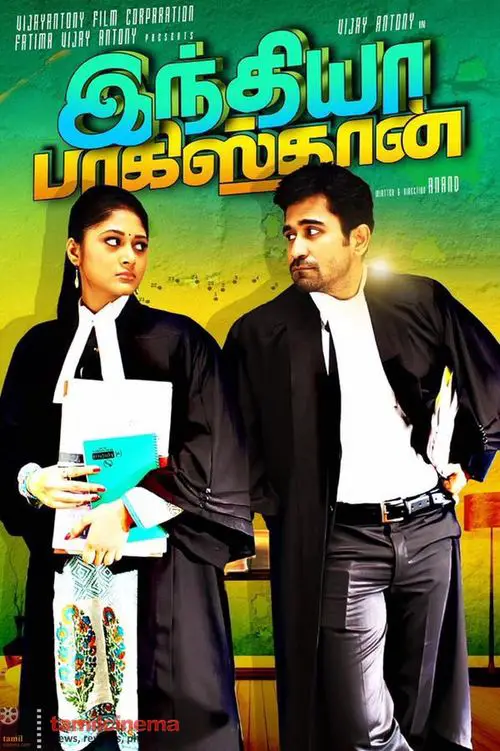
It is only after moving in to their shared office space do Karthick and Mellina realize that they are in the same profession â law. So, they decide that whoever gets a case first will stay in the place and fight tooth-and-nail to get a case. Meanwhile, a cop, who is searching for a DVD containing video of his illegal encounter, is after Mellina thinking that she is in possession of it.
© Valossa 2015–2026
| Privacy Policy